Hey there, fellow South African entrepreneur! Picture this: You’ve poured your heart, soul, and probably your last packet of rooibos into building your business. Your products are flying off the virtual shelves on Facebook… until they’re not. One day your posts get 500 likes, the next day the algorithm buries you like last year’s braai leftovers. Sound familiar?
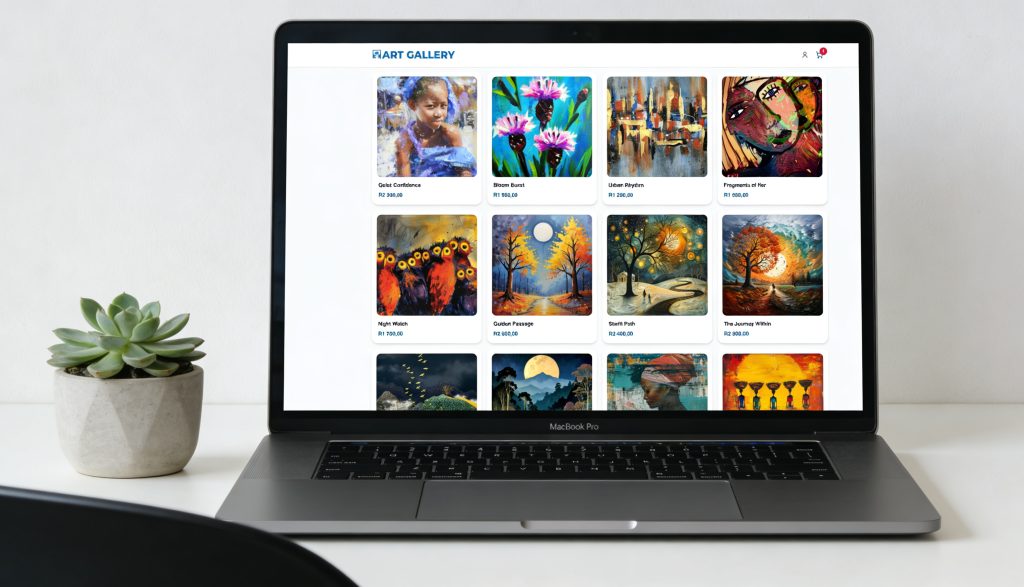
If you’re still running your entire business through a Facebook page, it’s time for a proper chat. Not the kind where we just nod politely, the kind where I gently (but firmly) tell you why having your own online store isn’t just nice-to-have anymore. It’s essential. Especially with AbuCart making it ridiculously simple for South African businesses to get set up.
Let’s dive in, shall we?
Facebook Pages Are Not Stores (No Matter How Pretty Your Cover Photo Is)
Here’s the honest truth: Your Facebook page is a billboard, not a shop. A marketplace stall, not your own boutique in the mall.
When someone scrolls past your post and clicks “Shop Now,” they’re not walking into your store. They’re stepping into Facebook’s world, complete with their rules, their distractions, and their sudden urge to show you videos of cats riding Roomba vacuums.
Think about the difference:
- Facebook Marketplace or shop tabs = You’re renting space in someone else’s massive shopping centre.
- Your own online store = You own the building. You decide the lighting, the music, the layout, and how the checkout works.
On Facebook, you’re at the mercy of their ecosystem. Someone can discover your product, get excited… and then get distracted by Aunt Sally’s political rant three posts down. Poof! Sale lost.
With your own store, that excited customer stays in your world from the moment they land until they hit “Complete Purchase.” No awkward redirects. No competing with endless cat videos. Just you, your beautiful products, and a very happy wallet.
The Algorithm: Your Unreliable Business Partner
Facebook’s algorithm is like that friend who promises to show up to your braai at 2pm… and rocks up at 7pm with a six-pack and zero explanation.

One week you’re reaching thousands. The next? Crickets. Why? Because Facebook prioritises what keeps people on Facebook longest. Your amazing product photos? They’re competing with everything from news, memes, family drama, and those infuriating “You won’t believe what happened next” videos.
I’ve spoken to so many South African business owners who’ve built solid followings, only to watch their organic reach drop dramatically. Some have resorted to paying for ads constantly just to stay visible. That’s not a business strategy, that’s paying rent to a landlord who keeps changing the terms.
Your own online store changes the game. You own the traffic channels. Google can find you. Customers can bookmark you. You can build email lists and WhatsApp communities that belong to you, not Meta.
And yes, you can (and should) still use Facebook and Instagram for marketing. They’re fantastic for discovery. Just don’t make them your entire shopfront.
Professionalism: Looking Like a Serious Business (Not a Hobby)
Let’s be real. When customers see a Facebook-only business, many think “hobby” or “side hustle.” When they land on a proper online store, they think “this person is legit.”
It’s not fair, but it’s true.
A dedicated store says:
- I’m invested in this business
- I plan to be around for a while
- I care about your shopping experience
That professionalism builds instant credibility. Especially in South Africa where trust in online shopping took time to build after some dodgy operators gave everyone a scare in the early days.
Your own store lets you create a proper brand experience. Professional product photos. Detailed descriptions. Size guides. Reviews. All the things that make customers feel confident handing over their hard-earned rands.
Customer Trust: The “I Feel Safe Here” Factor
Trust is everything in ecommerce.
On Facebook, customers worry: “Is this a real business? What if something goes wrong? Will I get my money back?” The checkout process often takes them outside Facebook, which can feel jarring.
With your own store (especially one built with local payment gateways like Yoco, PayFast, or EFT options), everything feels seamless and South African. Customers know exactly what they’re getting into.
You can add trust signals everywhere:
- Clear return policies
- Contact information (with a real South African number)
- Security badges
- Customer testimonials
And because it’s your store, you control the narrative. No random Facebook comments from disgruntled customers scaring off potential buyers (we’ve all seen those nightmare threads).
The Checkout Experience: Where Dreams (and Sales) Go to Die or Thrive
This is where Facebook really falls apart.
Facebook checkout is convenient for small impulse buys, but it’s clunky for anything more serious. Customers often abandon carts because the experience feels impersonal or complicated.
Your own store can offer:
- One-page checkout (because nobody has time for five steps)
- Multiple payment options that South Africans actually use
- Guest checkout (some people don’t want to create accounts)
- Smart abandoned cart recovery emails
I’ve seen conversion rates double or triple when businesses move from social-only to proper stores. That’s real money.
Plus, with AbuCart, you get all these features without needing a computer science degree or a massive budget. It’s built for South African businesses by people who understand our market – loadshedding-proof thinking included.
Branding: Your Store, Your Rules
On Facebook, your brand lives inside their blue box. Your logo gets cropped weirdly. Your colours might clash with their interface. Your story gets told in 30-second chunks between everyone else’s content.

No more squeezing your beautiful brand. Instead, you get to design every detail, your colours, your vibe, your story, exactly the way you want it.
Your own store is your brand’s home.
You control:
- The design and colour scheme
- The tone of voice
- How your story is told
- The overall feeling customers get when they visit
Want to create a luxurious feel for your handmade leather goods? Done. Want something fun and colourful for kids’ toys? Easy. Want to lean into that proud South African vibe with local imagery and slang? Go for it.
Your store becomes an extension of your personality and values. Customers don’t just buy products, they buy into you.
Ownership: Because Facebook Can Change the Rules Anytime
Remember when Facebook decided to mess with business pages? Or when Instagram suddenly changed its algorithm? Or that time they banned certain types of advertising?
These platforms can (and do) change rules overnight. They can limit your reach, change monetisation, or even suspend accounts with little warning.
Your own online store? That’s yours. You own the domain. You own the customer relationships. You own the data. If Facebook has a bad quarter or decides to pivot again, your business keeps running.
It’s the difference between renting a house and owning one. Sure, renting is easier at first, but eventually you want something that’s truly yours.
Collecting Customer Data: The Real Goldmine
Here’s something many businesses miss: When customers shop on Facebook, Meta owns that data. You get limited insights.

With your own store, you collect valuable information (with proper consent, of course):
- Email addresses
- Purchase history
- Preferences
- Location data (within reason)
This lets you:
- Send targeted newsletters
- Create loyalty programmes
- Offer personalised recommendations
- Build a community that actually belongs to you
In the long run, your customer data becomes one of your most valuable business assets. Facebook will never give you that level of access.
Why AbuCart Makes This Easy for South African Businesses
I know what you’re thinking: “This all sounds great, but setting up a proper store sounds expensive and complicated.”
Not with AbuCart.
We built AbuCart specifically for businesses like yours, South African entrepreneurs who want professional results without the headache. It’s simpler than Shopify, with pricing and features that actually make sense for our market.
You get:
- Beautiful, mobile-friendly templates
- Local payment integrations
- Fast loading speeds (crucial)
- Easy product management
- Built-in SEO tools so Google can find you
- Excellent support from people who understand South African business
Many businesses are up and running in hours or days, not weeks. And the best part? You maintain full ownership while getting all the professional tools.
The Bottom Line
Facebook is fantastic for marketing. It’s brilliant for building awareness and connecting with customers. But it was never meant to be your entire business infrastructure.
Your business deserves its own home online. A place where you control the experience, own the relationships, and build something that can last for decades, not until the next algorithm update.
If you’re still relying solely on Facebook, you’re leaving money on the table and taking unnecessary risks. Your customers deserve better. Your business deserves better.
Ready to take the next step? Head over to AbuCart and see how simple it can be to create your own professional online store. Your future self (and your bank account) will thank you.
And who knows? Maybe one day you’ll look back and laugh at the time you tried running everything through Facebook, right before you tell the story at your next successful braai.
What are you waiting for? Your perfect online store is just a few clicks away.